Tag: outdoor living

  • Custom patio builders enhance your outdoor living

    Custom patio builders play a pivotal role in transforming ordinary outdoor spaces into stunning retreats that reflect personal style and functionality. These professionals not only bring expertise and creativity to the table but also enhance the overall outdoor living experience by designing custom patios that cater to individual tastes and needs. With the rise of outdoor entertaining and relaxation, having a well-designed patio can significantly increase both the aesthetic appeal and value of a home.

    Opting for professional custom patio builders over DIY projects ensures a higher quality finish and adherence to safety standards. Professionals offer a wealth of knowledge regarding design trends, material selection, and construction techniques, which can lead to unique and innovative designs that a homeowner might not envision on their own. From cozy gathering spots to elegant dining areas, the possibilities are endless when you collaborate with skilled builders who understand your vision.

    Custom Patio Builders and Their Importance in Outdoor Living Spaces

    Custom patio builders play a vital role in enhancing outdoor living experiences by creating personalized spaces that reflect individual styles and preferences. These professionals bring creativity, expertise, and a deep understanding of outdoor designs, transforming simple backyards into luxurious retreats. With their knowledge of materials, layouts, and local regulations, custom builders ensure that each patio not only looks stunning but also functions well within its environment.Investing in a custom patio can significantly elevate your outdoor living experience.

    It allows homeowners to extend their living spaces beyond the confines of their homes, providing areas for relaxation, entertainment, and even outdoor dining. Custom builders can incorporate various features such as fire pits, built-in seating, pergolas, and outdoor kitchens, which enhance usability and comfort. The ability to customize these elements ensures that each patio is unique, catering to the specific needs and desires of its owner.

    Benefits of Hiring Professionals versus DIY Projects

    When considering whether to hire a professional patio builder or undertake a DIY project, it’s essential to weigh the advantages of each approach. While DIY projects can be fulfilling and cost-effective, there are numerous benefits to enlisting the help of experts.One significant advantage of hiring professionals is their experience and knowledge. They understand the nuances of construction, design, and landscaping, which ensures the final product is not only visually appealing but also structurally sound.

    Additionally, custom builders have access to high-quality materials and tools that may not be readily available to the average homeowner. Moreover, professionals can save time and reduce stress. Planning and executing a patio project can be time-consuming, especially when navigating permits, materials, and design elements. By hiring builders, homeowners can focus on enjoying their new space rather than worrying about the construction process.Some examples of unique patio designs created by custom builders include:

    • A multi-level patio with a cascading design: This type of patio integrates different levels to create a dynamic space, allowing for features like a sunken fire pit area and elevated dining space.
    • Incorporation of natural stone elements: Custom builders often use locally sourced stone to create a rustic, natural aesthetic that blends seamlessly with the surrounding landscape.
    • Patios with integrated water features: Having ponds or fountains designed into the patio can enhance ambiance and provide a soothing sound element.

    These unique designs illustrate the capabilities of custom builders, showcasing how they can transform outdoor spaces into functional and aesthetically pleasing environments that cater to the homeowner’s lifestyle. By leveraging professional expertise, homeowners can achieve remarkable patio designs that elevate their outdoor living experience to new heights.

    Key Features to Consider When Hiring Custom Patio Builders

    When considering the addition of a custom patio to your home, selecting the right builder is crucial. The ideal patio not only enhances the aesthetic appeal of your outdoor space but also adds functionality for gatherings, relaxation, and enjoyment. To ensure you make a well-informed decision, it’s vital to focus on key features that can significantly influence the outcome of your project.One essential aspect to evaluate is the selection of materials.

    Various materials can be used for patios, including concrete, pavers, natural stone, and composite decking. Each of these options offers distinct advantages. For instance, concrete is durable and versatile, while natural stone provides a unique and upscale look. When discussing materials with potential builders, consider their expertise with different types and their recommendations based on local climate conditions. Ensure the materials not only fit your budget but also align with your desired aesthetic and maintenance preferences.

    Design Styles and Functionality

    The variety of design styles available for custom patios can be overwhelming, but they allow for personalization to suit your taste and lifestyle. It’s important to consider how the design will fit with the existing architecture of your home and landscape. A cohesive look can enhance your home’s value and create a more inviting atmosphere.When evaluating design, consider the following aspects:

    • Layout: Decide if you want a simple, open space or a more complex design with multiple zones for different activities.
    • Access Points: Think about how the patio will connect with your home and garden. Ensure there are clear, comfortable paths to entry points.
    • Features: Consider incorporating features such as built-in seating, fire pits, or outdoor kitchens to enhance functionality.

    Assessing builder portfolios is vital for making the right choice. A builder’s past projects can reveal their style, quality, and experience. When reviewing portfolios, look for:

    • Diversity: A range of completed projects indicates versatility and the ability to adapt to different styles and client needs.
    • Quality of Craftsmanship: Examine the details in their work. High-quality finishes and meticulous attention to detail are signs of a skilled builder.
    • Client Testimonials: Positive feedback from previous clients can provide insight into the builder’s reliability and professionalism.

    A good practice is to ask for references and contact previous clients to gain a better understanding of their experiences. Additionally, consider visiting completed projects, if possible, to see the patios in person. Engaging with builders who are open to discussing their work can also enhance your comfort level in making a selection.In summary, focusing on materials, design styles, and assessing portfolios can greatly influence your decision when hiring custom patio builders.

    By considering these key features, you can ensure that your new patio is a beautiful and functional addition to your home.

    The Process of Designing a Custom Patio with Builders

    Creating a custom patio is an exciting venture for homeowners who seek to enhance their outdoor living space. The design process is key to turning vision into reality, and it involves a well-structured approach that ensures satisfaction at every stage. By collaborating closely with builders, homeowners can achieve a patio that perfectly complements their lifestyle and aesthetic preferences.The design process typically begins with an initial consultation where homeowners meet with builders to discuss their ideas and requirements.

    This is a critical stage as it sets the foundation for the entire project. During this meeting, homeowners are encouraged to share their vision, preferred materials, budget constraints, and any specific features they desire, such as built-in seating, fire pits, or water features. Builders take detailed notes, making sure to capture the essence of the homeowner’s wishes.Following the consultation, builders create design mock-ups.

    These can range from simple sketches to more sophisticated 3D renderings, depending on the complexity of the design and the technology used by the builders. The mock-ups provide a visual representation of the proposed patio, allowing homeowners to see how their ideas will come to life. This stage is interactive; homeowners can request adjustments to the design based on their feedback.

    For instance, they may want to alter the layout or choose alternative materials, like opting for natural stone instead of pavers for a more rustic look.After the adjustments have been made, the final approval phase takes place. Builders present the revised designs and detailed cost estimates to the homeowners. It’s essential at this point to ensure all aspects of the project align with the homeowner’s vision and budget.

    Homeowners should review the final plans meticulously, asking questions or making further tweaks if necessary. This step is vital to avoid surprises during construction and to ensure that everyone is on the same page.Throughout the design phase, collaboration between homeowners and builders is paramount. Open communication fosters a constructive environment where ideas can flow freely, addressing any concerns or changes effectively.

    This collaborative effort not only strengthens the relationship between homeowners and builders but also results in a custom patio that is a true reflection of the homeowner’s style and needs.

    Success in designing a custom patio lies in the synergy between the homeowner’s vision and the builder’s expertise.

    Popular Materials Used by Custom Patio Builders

    When it comes to custom patio construction, the choice of materials plays a crucial role in the overall look, durability, and functionality of the space. Whether you are aiming for a rustic charm or a sleek modern aesthetic, the selection of the right materials can significantly enhance your patio experience. Below is an overview of some of the most popular materials used by custom patio builders, highlighting their advantages and disadvantages.

    Comparison of Materials

    The materials commonly used for patios include concrete, natural stone, wood, and composite materials. Each of these options has unique characteristics that cater to different preferences and budgets.

    • Concrete: This is one of the most versatile and cost-effective materials for patios. Available in various finishes, colors, and patterns, concrete can be poured into any shape or design.

      However, it may crack over time if not properly sealed or maintained.

    • Natural Stone: Materials like flagstone, slate, and limestone are favored for their distinctive beauty and durability. Natural stone adds a luxurious feel to any patio.

      On the downside, it can be more expensive and requires professional installation due to its weight and handling.

    • Wood: Wood patios offer warmth and a natural aesthetic that is hard to replicate. Options like cedar and redwood are popular for their resistance to rot and insects.

      However, wood requires regular maintenance, including staining and sealing, to prevent damage from the elements.

    • Composite Materials: Made from a blend of wood fibers and plastic, composite materials mimic the look of wood while being more resistant to fading, staining, and mold.

      Nevertheless, they can be pricier upfront and may not offer the same authentic feel as real wood.

    When deciding on materials, consider the climate of your location, the intended use of the patio, and the overall style of your home. A well-thought-out choice will enhance the beauty and longevity of your outdoor space.

    How to Evaluate the Quality of Work by Custom Patio Builders

    40 Quotes Hari Sumpah Pemuda 2024 yang Inspiratif dan Penuh Makna ...

    When it comes to building a custom patio, quality is paramount. A well-constructed patio not only enhances your outdoor space but adds value to your home. To ensure that you choose the right custom patio builder, it’s essential to evaluate their work systematically. There are several key criteria that can guide you in assessing their craftsmanship and the overall quality of their projects.

    Criteria for Assessing Quality

    Understanding key indicators of quality can help you make an informed decision. Here are essential aspects to consider when evaluating the work of custom patio builders:

    • Craftsmanship: Pay close attention to the builder’s attention to detail. Look for clean lines, level surfaces, and proper alignment in the patio layout. High-quality craftsmanship reflects the builder’s skill level and commitment to excellence.
    • Finishes: The choice of materials and finishes plays a significant role in the durability and aesthetics of the patio. Examine the type of stone, brick, or pavers used, and ensure they are installed correctly. A well-finished surface will resist wear and tear and maintain its beauty over time.
    • Durability: Consider the materials used in the construction. High-quality materials can withstand environmental stressors such as weather, foot traffic, and other wear. Look for builders who offer warranties on their materials and workmanship, which indicates confidence in their durability.

    Another reliable method of gauging the quality of a custom patio builder’s work is through customer testimonials and reviews. Positive feedback from past clients can provide insight into their experiences and satisfaction levels. Here’s how to effectively seek out and evaluate customer reviews:

    “Customer testimonials are invaluable in understanding the quality and reliability of a builder’s work.”

    • Seek Testimonials: Ask the builder for references of their previous clients. A reputable builder should be willing to share this information. Reach out to those clients to inquire about their overall experience, timeliness, and the quality of the finished project.
    • Online Reviews: Check online platforms such as Google, Yelp, and social media for additional reviews. Look for patterns in customer feedback, focusing on both positive and negative comments to form a well-rounded perspective.
    • Project Portfolio: Request to see a portfolio of completed projects. This visual evidence of their work can showcase their style and quality, helping you determine if it aligns with your vision.

    Trends in Custom Patio Design for Modern Homeowners

    As homeowners increasingly seek to enhance their outdoor living spaces, custom patios have become a focal point for design innovation. The current trends reflect a blend of functionality, aesthetics, and sustainability, catering to the diverse lifestyles of modern homeowners. From unique materials to eco-friendly features, today’s patios are designed to be extensions of the home, offering comfort and style.The evolution of patio design is influenced by a variety of factors such as changing lifestyles, advancements in materials, and an increasing emphasis on outdoor living.

    Modern patios incorporate elements that not only serve practical purposes but also create inviting atmospheres for relaxation and entertainment. Homeowners are now looking for spaces that seamlessly blend with their environment while providing a personalized touch.

    Popular Themes and Features in Patio Design

    The themes and features that are currently trending in custom patio designs illustrate the desire for both beauty and practicality. Understanding these trends can help homeowners make informed decisions about their outdoor spaces. One major theme is the integration of nature, where patios are designed to blend harmoniously with the surrounding landscape. This includes using natural stones or wood for flooring and incorporating planters filled with native plants.

    The aesthetic of natural materials creates a soothing atmosphere that invites the outdoors in.Another popular trend is the use of modular furniture. Homeowners appreciate the versatility that modular outdoor seating offers, allowing for easy reconfiguration for gatherings or intimate settings. Furniture pieces with weather-resistant fabrics and materials ensure durability without sacrificing style.In terms of color schemes, earthy tones such as greens, browns, and soft grays are gaining popularity, reflecting a connection to nature.

    These colors provide a calming backdrop for vibrant plant life and colorful accessories, creating a balanced outdoor environment. Lighting also plays a significant role in modern patio design. Homeowners are opting for energy-efficient LED lighting solutions, such as string lights, lanterns, and recessed lighting, to enhance ambiance while also being environmentally conscious. The right lighting can transform a patio into a magical space during the evening hours.Additionally, fire features like fire pits or outdoor fireplaces are trending.

    They not only provide warmth but also create a central gathering point for social interactions. Many contemporary fire pits are designed with sleek lines and modern materials, complementing the overall aesthetic of the patio.Lastly, sustainable materials are becoming increasingly important. Homeowners are seeking options that minimize environmental impact, such as recycled composite decking or sustainably sourced wood. In addition, incorporating permeable paving can help manage stormwater runoff, making patios both beautiful and eco-friendly.Examples of modern patios that embody these trends include a sleek, minimalist space featuring dark slate tiles, surrounded by lush greenery, and equipped with modular furniture in neutral tones.

    Another example is a cozy patio with a rustic wooden pergola, integrated with hanging planters and a central fire pit, creating a warm and inviting atmosphere for gatherings.By embracing these contemporary trends, homeowners can create custom patios that are not only visually appealing but also functional, sustainable, and perfectly tailored to their lifestyle needs.

    Custom Patio Builders and Sustainability Practices

    17 KUMPULAN QUOTES Hari Sumpah Pemuda 28 Oktober, Penuh Makna dan ...

    Custom patio builders play a crucial role in promoting sustainability and environmentally responsible construction practices. As more homeowners seek to create outdoor spaces that are not only aesthetically pleasing but also eco-friendly, custom builders are adapting their methods to meet these needs. By integrating sustainable practices into their work, these builders help reduce environmental impact while enhancing the overall quality of life for their clients.One of the key ways custom patio builders support sustainability is through the selection of eco-friendly materials.

    Opting for sustainable materials not only decreases the carbon footprint of construction projects but also contributes to a healthier environment. Many builders now incorporate reclaimed wood, bamboo, recycled concrete, and permeable pavers into their designs. These materials not only offer durability and visual appeal but also often require less energy to produce compared to traditional options.

    Eco-friendly Materials and Construction Methods

    When it comes to eco-friendly construction methods, custom patio builders have a variety of options at their disposal. Using low-VOC (volatile organic compounds) paints and sealers ensures that the chemicals released into the environment are minimized. Additionally, many builders focus on energy-efficient design principles that optimize natural light and airflow, thereby reducing the need for artificial heating and cooling.Builders who prioritize sustainability can assist homeowners in creating environmentally responsible outdoor spaces in several significant ways:

    • Site Assessment: Conducting thorough assessments to understand the natural landscape allows builders to design patios that work with, rather than against, the environment. This can involve preserving local flora and fauna or utilizing natural drainage systems to manage water runoff.
    • Native Plant Integration: Incorporating native plants into patio designs not only enhances the beauty of outdoor areas but also supports local ecosystems. Native plants require less water and are more resilient to local pests.
    • Water Conservation Techniques: Implementing rain gardens, xeriscaping, and drip irrigation systems contributes to water conservation efforts, ensuring that outdoor spaces remain lush and vibrant without excessive water usage.
    • Renewable Energy Options: Installing solar lighting or integrating energy-efficient appliances into outdoor kitchens can significantly reduce energy consumption while providing functionality.

    By employing these strategies, custom patio builders empower homeowners to make informed choices that align with their values regarding sustainability. This collaboration fosters a deeper connection between the built environment and the natural world, encouraging a lifestyle that prioritizes ecological health.

    How to Maintain Your Custom Patio After Construction

    10 Quotes Ucapan Selamat Hari Sumpah Pemuda 2025, Cocok Digunakan untuk ...

    Maintaining your custom patio is essential to ensure its longevity and aesthetic appeal. Regular upkeep not only keeps your patio looking great but also prevents costly repairs down the line. Whether your patio is made of concrete, natural stone, or pavers, understanding the right maintenance practices will help you enjoy your outdoor space for years to come.One of the key aspects of patio maintenance lies in regular cleaning.

    Different materials require specific cleaning methods and products to avoid damage while effectively removing dirt and stains. Here’s an overview of recommended cleaning products and methods based on the material of your patio:

    Recommended Cleaning Products and Methods

    Choosing the right cleaning products is crucial for maintaining your patio’s appearance. Below are suitable cleaning products categorized by material type, along with recommended methods for their application:

    • Concrete Patios: Use a mixture of water and mild dish soap or a specialized concrete cleaner. For tougher stains, consider a pressure washer set to a low setting to avoid etching. Always rinse thoroughly after cleaning.
    • Natural Stone Patios: Opt for a pH-balanced stone cleaner to avoid damage to the stone’s surface. Scrub gently with a soft brush and rinse with clean water. Avoid acidic cleaners that can degrade the stone.
    • Paver Patios: Use a diluted vinegar solution or a paver cleaner. A stiff broom can help remove dirt from the joints. For weeds, a mixture of vinegar and salt can be applied directly to the areas affected.
    • Wood Deck Patios: Clean with a wood-safe cleaner and scrub with a stiff brush. Rinse thoroughly to remove any residue. Consider applying a wood preservative annually to protect against weathering.

    Seasonal maintenance is also vital for extending the life of your patio, as different seasons bring unique challenges. Here are some seasonal tips to consider:

    Seasonal Maintenance Tips

    Performing maintenance tasks in accordance with the seasons helps mitigate damage and keeps your patio in top shape throughout the year.

    • Spring: Inspect for winter damage and clean the patio thoroughly to remove debris and stains. Seal any cracks in the concrete or pavers.
    • Summer: Regularly sweep to prevent dirt buildup. Apply a sealant if needed, especially for wooden patios, to protect from sun damage.
    • Fall: Clear leaves and debris to prevent mold growth. Prepare for winter by inspecting drainage and ensuring there are no blockages.
    • Winter: Use a plastic shovel to remove snow, avoiding metal tools that can scratch surfaces. Consider applying a safe de-icer to prevent ice buildup.

    Regular maintenance and seasonal care not only enhance your patio’s appearance but significantly extend its lifespan.

    The Cost Factors Involved in Hiring Custom Patio Builders

    Jual Hiasan Dinding Quotes Walldecor Poster Pancasila Sumpah Pemuda ...

    When planning to hire custom patio builders, homeowners should be aware of various cost factors that can significantly influence the overall budget. Understanding these elements can help in making informed decisions and ensuring that the project aligns with financial expectations. Custom patios can vary widely in price based on materials, designs, and labor, making it crucial to consider each aspect thoughtfully.Multiple elements contribute to the total cost of a custom patio project.

    The type of materials chosen is one of the most significant factors. Different materials come with varying price tags, affecting not just the initial cost but also long-term maintenance expenses. For example, natural stone tends to be more expensive but offers durability and aesthetic appeal, while concrete might be more budget-friendly but can lack the same visual impact. Labor is another essential consideration.

    Hiring skilled artisans or specialized contractors often comes at a premium, but their expertise can result in a higher-quality installation. In contrast, less experienced labor may reduce initial costs but could lead to additional expenses down the line if issues arise. Additionally, the complexity of the design plays a crucial role in determining labor costs; intricate designs require more time and effort to execute properly.

    Material Choices and Their Impact on Cost

    Selecting the right materials is critical when budgeting for a custom patio project. Here are some common material options and their associated costs:

    • Concrete: As one of the most popular choices, concrete typically ranges from $6 to $12 per square foot. It’s versatile, allowing for various finishes and colors.
    • Brick: With a price range of $10 to $15 per square foot, brick provides a classic look but may require a higher initial investment.
    • Natural Stone: Options like flagstone or slate can cost between $15 and $30 per square foot. While expensive, they add significant value and beauty to any outdoor space.
    • Wood: Wooden patios can range from $10 to $25 per square foot, depending on the type of wood used. Maintenance is key to longevity.

    Understanding these costs helps homeowners evaluate which materials fit their budget while still achieving their desired aesthetic.Budgeting effectively for a custom patio project involves considering all associated costs. Aside from materials and labor, homeowners should account for permits, site preparation, and potential landscaping. Here are some budgeting tips to help:

    • Determine a realistic budget: Assess financial limits and allocate funds appropriately across materials, labor, and unforeseen expenses.
    • Seek multiple quotes: Get estimates from different builders to compare pricing and services offered.
    • Prioritize features: Identify essential and optional features to focus spending on what truly matters to you.
    • Plan for additional costs: Set aside at least 10-20% of your budget for unexpected expenses that may arise during the project.

    “A well-planned budget not only sets the foundation for a successful project but also ensures that homeowners are not caught off guard by unexpected costs.”

    By being aware of these factors and planning accordingly, homeowners can create a beautiful, functional patio while staying within budget.

    Questions to Ask Before Hiring Custom Patio Builders

    When considering the addition of a custom patio to your home, selecting the right builder is crucial. The quality of craftsmanship, materials used, and overall project management can significantly influence your experience and the final outcome. To ensure you make an informed decision, there are several key questions to ask potential custom patio builders.Verifying licenses, insurance, and warranties should be a top priority when interviewing potential builders.

    A valid license indicates that the builder adheres to local regulations and has the necessary skills. Insurance protects you from liability in case of accidents or damage during construction, while a warranty ensures that any issues arising after completion will be addressed by the builder. These elements are essential for safeguarding your investment and ensuring peace of mind throughout the project.

    Key Considerations for Selecting a Builder

    Understanding your builder’s qualifications and approach to project management is vital. Here are critical considerations to discuss:

    • Experience in Custom Patio Projects: Inquire about their background in building patios similar to what you envision. Experienced builders can provide insights into design and material choices that will enhance your space.
    • References and Portfolio: Request a portfolio of their previous work and references from past clients. This provides a tangible sense of their quality and customer satisfaction.
    • Estimated Timeline: Discuss how long the project will take from start to finish. Understanding the timeline helps you plan better and sets expectations for completion.
    • Communication Style: Assess how they communicate. A builder who provides regular updates and is responsive to queries ensures a smoother project flow.
    • Subcontractors Used: Inquire if they employ subcontractors for specialized tasks. Understanding who will be working on your project can give you confidence in the quality of the work.
    • Change Order Process: Discuss how they handle changes during the project. Knowing their process for modifications can save time and prevent misunderstandings.

    “Effective communication and transparency are key to a successful partnership with your patio builder.”

    By posing these questions and addressing these considerations, homeowners can substantially enhance their chances of hiring a reputable custom patio builder, ensuring their dream patio becomes a reality.

  • Stamped Concrete Patio Cost Insights And Planning Tips

    stamped concrete patio cost serves as a crucial element in enhancing outdoor living spaces, combining aesthetics with practicality. These patios are not just ordinary concrete; they’re intricately designed surfaces that mimic the look of stone, tile, or brick, offering homeowners a versatile option for updating their exteriors. When considering a stamped concrete patio, it’s essential to explore various styles and patterns, from classic to contemporary, ensuring that your choice complements your home’s character while enjoying the numerous benefits, including durability and low maintenance.

    Understanding the factors that influence the cost of stamped concrete patios is key to making informed decisions. Elements such as size, design complexity, and material quality all play significant roles in determining the final price. Additionally, knowing how location and labor costs can affect your budget will help you plan effectively for this exciting home improvement project.

    Understanding the Basics of Stamped Concrete Patios

    Stamped concrete patios are a popular choice for homeowners looking to enhance their outdoor spaces. Unlike traditional concrete, which typically has a plain, grey appearance, stamped concrete mimics the look of natural materials such as stone, brick, or tile, offering a customizable and aesthetically pleasing surface. This versatility makes it a sought-after option for patios, walkways, and other outdoor areas.The process of creating stamped concrete involves pouring a concrete mix and then applying patterns or textures while it is still wet.

    Various styles and designs are available, allowing homeowners to choose something that complements their existing landscaping and architecture. Common patterns include ashlar slate, cobblestone, andwood plank, each providing a unique look that can be tailored to personal preferences.

    Styles and Patterns of Stamped Concrete

    Choosing the right style and pattern for a stamped concrete patio can significantly influence the overall aesthetic of the outdoor space. The available options range widely, providing opportunities to create a custom look for any home.Some popular patterns include:

    • Slate: A textured finish that replicates natural slate stone, offering a sophisticated appearance.
    • Brick: This pattern mimics traditional brick pavers and is often used to give a classic look to patios.
    • Flagstone: Resembling irregular-shaped stone slabs, flagstone patterns provide a more rustic and natural feel.
    • Wood Plank: A unique option that imitates wooden boards, suitable for achieving a farmhouse or cozy vibe.
    • Tile: This pattern can replicate various tile designs, providing a sleek and modern touch to outdoor areas.

    The benefits of stamped concrete go beyond aesthetics. It is durable, requiring less maintenance than traditional pavers or wood decks. Stamped concrete is also resistant to slipping and cracking when properly installed, making it a safe choice for families. Additionally, it can be colored and sealed to enhance its appearance, ensuring that it remains vibrant for years to come.

    “Stamped concrete combines functionality with beauty, making it an ideal choice for any outdoor living space.”

    When installed correctly, stamped concrete patios can enhance property value, provide long-lasting performance, and create inviting spaces for outdoor gatherings and relaxation. This combination of benefits makes stamped concrete an excellent investment for homeowners looking to upgrade their outdoor areas.

    Factors Influencing Stamped Concrete Patio Cost

    Jual Oli Mesin Motor Matic ORIGINAL ADNOC VOYAGER SPX4-L 10W40 Semi ...

    When considering the installation of a stamped concrete patio, it’s essential to understand the various factors that contribute to the overall cost. The price tag on your new outdoor space can fluctuate based on several key elements, which can significantly impact your budget. Understanding these factors will help you make an informed decision and manage your expectations regarding costs.The overall cost of a stamped concrete patio is influenced by various components, including size, design complexity, material quality, location, and labor expenses.

    Each of these elements plays a vital role in the final pricing and should be carefully evaluated when budgeting for your project.

    Size and Design Complexity

    The dimensions of your patio and the intricacy of its design are primary cost determinants. Larger patios require more materials and labor, which naturally drives up expenses. Additionally, if you opt for complex patterns or customized designs, these elements can further increase the price due to the additional time and skill required for installation.

    Size

    The square footage of your patio greatly impacts the cost. For instance, a standard patio measuring 12 feet by 16 feet could range from $2,000 to $4,000, while a larger 20 feet by 30 feet patio might cost between $5,000 and $10,000, depending on other factors.

    Design Complexity

    The more elaborate the design, the more expensive it will be. Simple designs, like basic stamp patterns resembling tile or stone, are typically less costly than intricate designs featuring multiple colors, borders, or custom engravings. For example, a basic stamp pattern may add $3 to $5 per square foot, while a detailed design can escalate to $10 or more per square foot.

    Material Quality

    The quality of materials used in the stamping process also influences the overall cost. Higher-quality materials tend to be more durable and visually appealing but come with a higher price tag. Choosing premium concrete mixtures with enhanced durability or specialized pigments for vibrant colors can increase your initial investment but may save money in maintenance and replacement in the long run.

    Concrete Mix

    A standard concrete mix may cost around $100 per cubic yard, but a higher-grade mix designed for better durability and aesthetic appeal can range from $120 to $150 per cubic yard.

    Stamping Tools and Colors

    Investing in high-quality stamping tools and rich pigment colors can also add to the costs. Premium stamp patterns or custom colors may cost an additional $1 to $3 per square foot.

    Location and Labor Costs

    Your geographical location plays a crucial role in determining labor costs and overall expenses. Areas with a high cost of living typically see increased labor rates, which can vary among contractors. Additionally, local regulations or permitting requirements can add unforeseen expenses.

    Labor Costs

    Labor costs may range from $2 to $5 per square foot, depending on the market demand and regional pricing structures. For instance, urban areas may have higher rates due to increased demand for skilled labor.

    Location

    If your project is in a remote or hard-to-access area, transportation costs for both materials and labor may increase. Moreover, weather conditions in your region might necessitate additional planning or protective measures during installation, potentially adding to labor costs.Understanding these factors will guide you in effectively budgeting for your stamped concrete patio project, ensuring your outdoor space meets both your aesthetic desires and financial expectations.

    Comparing Stamped Concrete Patios to Other Patio Options

    When considering various patio options, stamped concrete stands out for its unique combination of aesthetics and practicality. However, it’s essential to compare it to other popular choices such as pavers, natural stone, and other materials to understand the differences in cost, durability, maintenance, and design flexibility.

    Cost and Durability Comparison

    A detailed analysis of cost and durability between stamped concrete, pavers, and natural stone reveals key distinctions. Stamped concrete typically offers an attractive price point, averaging between $8 to $15 per square foot, making it a cost-effective option for those looking for a stylish patio. In comparison, pavers can range from $10 to $30 per square foot depending on the material, while natural stone starts around $15 per square foot and can exceed $30 for premium choices.Durability-wise, stamped concrete is very resilient and can last 20 to 30 years with proper care.

    In contrast, pavers may last longer if maintained well, but individual pieces can crack or shift over time, necessitating repairs. Natural stone, known for its strength and longevity, can resist elements effectively but may require more frequent maintenance due to its porous nature.

    Maintenance Requirements

    Maintenance is a crucial factor when selecting patio materials. Each option has its specific requirements that homeowners should consider:

    Stamped Concrete

    Requires sealing every 2-3 years to prevent cracking and fading. Regular cleaning with a gentle detergent helps maintain its appearance.

    Pavers

    Need occasional re-leveling and joint replenishment with sand or polymeric solutions. Cleaning with a pressure washer can help remove grime and weeds.

    Natural Stone

    Often requires sealing yearly to protect against stains and moisture. Regular sweeping and using a stone-safe cleaner can preserve its natural beauty.Understanding these maintenance needs can aid in making a more informed choice based on lifestyle and willingness to invest time in upkeep.

    Aesthetic Differences and Design Flexibility

    One of the most appealing aspects of stamped concrete is its design flexibility. It can mimic the look of various materials, such as brick, wood, or natural stone, providing homeowners the ability to achieve desired aesthetics without the associated costs of real materials. On the other hand, pavers come in various colors, shapes, and sizes offering a more traditional look with the capability to create intricate patterns.

    Natural stone, while undeniably beautiful, often lacks the uniformity and range of designs that stamped concrete and pavers provide. In terms of aesthetics, stamped concrete can be customized with dyes and patterns, enabling unique designs that fit any outdoor space. This flexibility can be especially desirable in creating cohesive outdoor living areas. In summary, each patio material has its unique selling points and potential drawbacks.

    Homeowners should weigh these factors according to their budget, maintenance preferences, and design aspirations to make the best choice for their outdoor spaces.

    Estimating the Cost of a Stamped Concrete Patio

    Jual Oli Motor Matic Original Adnoc Voyager Spx-4l 10w-40 Di Seller ...

    Estimating the cost of a stamped concrete patio involves several key factors that can influence the overall price. By breaking down these aspects step-by-step, homeowners can gain a clearer understanding of what to expect financially when planning their outdoor space. This guide provides a detailed approach to calculating the estimated cost, including examples and potential additional expenses.

    Step-by-Step Guide to Calculate Estimated Costs

    To accurately estimate the cost of a stamped concrete patio, the following steps should be taken:

    1. Determine the Area

    Measure the length and width of the patio space in feet to calculate the total square footage. For example, if the patio is 20 feet long and 15 feet wide, the area is 300 square feet (20 x 15 = 300).

    2. Select a Style and Finish

    Prices can vary widely based on the style and finish of the stamped concrete. Here are some average pricing examples per square foot for different styles:

    Basic patterns (e.g., cobblestone)

    $8 – $12 per square foot

    Mid-range patterns (e.g., slate or brick)

    $12 – $18 per square foot

    High-end patterns (e.g., intricate designs or multiple colors)

    $18 – $25+ per square foot

    3. Calculate Base Cost

    Multiply the total square footage by the price per square foot of the chosen style. For instance, for a 300-square-foot patio with a mid-range pattern priced at $15 per square foot, the base cost would be:

    Total Cost = Area x Price per Square Foot = 300 sq. ft. x $15/sq. ft. = $4,500

    4. Consider Additional Costs

    It’s important to factor in additional expenses that may arise, such as:

    Preparation Costs

    Grading and excavation of the site can add $1 – $3 per square foot.

    Sealing

    A sealant application typically costs between $0.50 to $2 per square foot, depending on the type of sealer used.

    Maintenance

    Ongoing maintenance such as resealing every 2-3 years could cost around 10-15% of the initial patio cost annually.

    Overall, when estimating the total cost, adding these additional expenses will provide a more comprehensive figure for planning purposes.

    Potential Additional Costs

    Homeowners should be aware of several potential additional costs that can impact the overall budget for a stamped concrete patio. Understanding these costs ensures that the final project remains within financial expectations. The following items should be anticipated:

    Landscaping and Surrounding Features

    Depending on the design, costs for landscaping, planting, or adding features like retaining walls can vary significantly.

    Permits and Regulations

    Check local regulations; some areas may require permits that could incur fees.

    Customization Options

    Custom colors, intricate designs, or unique finishes can greatly increase material and labor costs.

    By considering these factors and carefully following the Artikeld steps, homeowners can effectively estimate the full cost of their stamped concrete patio project, creating a stunning outdoor area that meets both aesthetic and budgetary requirements.

    Planning Your Stamped Concrete Patio Project

    When it comes to installing a stamped concrete patio, careful planning is key to ensuring a successful outcome. A well-structured project plan will help navigate through the complexities of design, material selection, and construction processes, ultimately leading to a beautiful and functional outdoor space.

    Comprehensive Plan for Installation

    Creating a comprehensive plan for your stamped concrete patio project involves several steps, from design to execution. Start by determining the size and shape of the patio, which should complement your yard and existing structures. Consider various patterns and colors available for stamping, as these will enhance the aesthetic appeal. Essential materials and tools required for the installation include:

    • Concrete mix: Choose a high-quality mix suitable for stamping.
    • Stamping mats: These are used to create the desired texture and pattern.
    • Release agent: This prevents the stamping mats from sticking to the concrete.
    • Concrete tools: Essential tools include a concrete mixer, float, trowel, and edging tools.
    • Sealer: A concrete sealer protects the surface and enhances color longevity.

    Planning the logistics, such as the timeline and workforce, is equally important. Consider how long the project will take, any weather conditions that may delay progress, and whether you’ll need additional hands to help with heavy lifting and pouring.

    Importance of Hiring a Qualified Contractor

    While DIY installations can be appealing due to potential cost savings, hiring a qualified contractor can offer expertise that often results in a superior finish. Professionals have experience dealing with various aspects of concrete work, ensuring that the project is completed efficiently and correctly. A qualified contractor will:

    • Provide valuable insights on design and material options.
    • Ensure compliance with local building codes and regulations.
    • Utilize professional-grade tools and techniques for a polished look.
    • Save time and reduce the likelihood of costly mistakes.

    Hiring a contractor might increase initial costs, but their expertise can lead to long-term savings by avoiding repairs or rework.

    Necessary Permits and Regulations

    Before beginning your stamped concrete patio project, it’s important to consider the necessary permits and regulations that may impact project costs. Local governments often require permits for construction projects, particularly those that involve alterations to existing structures or significant landscaping. The following points are essential to keep in mind:

    • Check local zoning laws: These laws dictate what structures can be built and where.
    • Obtain necessary permits: Failure to do so can result in fines or the need to dismantle the project.
    • Verify HOA regulations: If you live in a community with a homeowners association, ensure compliance with their guidelines.

    Incorporating these considerations into your planning helps avoid potential roadblocks and unexpected costs, ensuring a smoother project execution.

    Understanding Maintenance and Longevity of Stamped Concrete Patios

    Jual Oli Mesin Motor Manual Adnoc Voyager MPX4L 10W-40 Semi Synthetic ...

    Maintaining a stamped concrete patio is essential for preserving its aesthetic appeal and structural integrity over time. By following a few key practices, homeowners can ensure their patios remain an attractive and functional part of their outdoor space for many years. Regular maintenance not only enhances the appearance but also extends the lifespan of the concrete. One of the primary aspects affecting the longevity of stamped concrete is environmental factors.

    Weather conditions, such as extreme temperatures, moisture levels, and exposure to UV rays, can significantly impact the durability of the surface. Stamped concrete can be prone to cracking, fading, and wear if not properly maintained. To mitigate these effects, it is crucial to adopt consistent maintenance practices.

    Maintenance Practices for Stamped Concrete Patios

    A successful maintenance routine includes several key elements that contribute to the longevity and appearance of stamped concrete patios. These practices help prevent damage and maintain the beauty of the surface:

    • Regular Cleaning: Sweep or hose down the patio regularly to remove dirt and debris. A mild dish soap solution can be used for deeper cleaning, ensuring that any stains or spills are addressed promptly.
    • Sealant Application: Applying a high-quality sealant protects the concrete from moisture and UV damage. It is advisable to reseal stamped patios every 1-3 years, depending on usage and exposure to the elements.
    • Crack Repair: Inspect the patio for any cracks or chips. Using a concrete repair filler can prevent further damage and maintain the integrity of the surface.
    • Avoid Heavy Loads: Be mindful of the weight placed on the patio, as heavy furniture or equipment can cause cracking. Use protective pads under furniture legs to minimize pressure on the surface.

    Impact of Weather and Environmental Factors

    Weather plays a crucial role in determining the lifespan of stamped concrete patios. Various factors contribute to wear and tear, such as:

    • Temperature Fluctuations: Rapid changes in temperature can cause the concrete to expand and contract, leading to potential cracking. In colder climates, freeze-thaw cycles can exacerbate this issue.
    • Moisture Exposure: Excess moisture can seep into cracks, leading to further deterioration. Proper drainage around the patio is essential to prevent pooling water.
    • Sun Exposure: Prolonged exposure to sunlight can cause fading of colors and patterns. A sealant with UV protection can help mitigate this issue and maintain the vibrant appearance of the concrete.

    Repairing or Refinishing Stamped Patios

    When maintenance practices are not enough to restore the patio’s appearance, repair or refinishing may be necessary. The process typically involves several steps:

    • Surface Preparation: The patio surface is thoroughly cleaned and any loose material is removed to ensure proper adhesion of new materials.
    • Repairing Cracks: Any existing cracks or damage should be filled using concrete repair compounds, ensuring a smooth surface for refinishing.
    • Refinishing Application: A new layer of stain or sealant is applied, which can refresh the color and pattern of the patio. The cost for refinishing can range from $2 to $5 per square foot, depending on the complexity of the work and materials used.

    Regular maintenance not only enhances the aesthetic appeal of stamped concrete patios but also significantly extends their lifespan, making it a wise investment for any homeowner.

    Real-Life Examples and Case Studies of Stamped Concrete Patios

    Stamped concrete patios have become a popular choice among homeowners looking to enhance their outdoor living spaces. With a wide variety of designs, colors, and textures available, these patios can mimic high-end materials like stone or brick at a fraction of the cost. Let’s explore some real-life examples and case studies that showcase the versatility and appeal of stamped concrete patios.

    Successful Installations and Customer Satisfaction

    Numerous homeowners have completed successful stamped concrete patio installations, each reflecting unique design choices and budgets. Here are a few notable examples:

    • Modern Geometric Design in Seattle, WA: A homeowner opted for a stamped concrete patio with a sleek, geometric pattern to complement their contemporary home. The project cost around $5,500, which included intricate stamping and a color stain that matches the house façade. The result was a stunning outdoor area perfect for entertaining, and the homeowner expressed complete satisfaction with the outcome.
    • Rustic Stone Look in Asheville, NC: This installation featured a stamped concrete patio designed to resemble natural flagstone. The homeowners wanted a rustic feel to match their mountain surroundings. The total cost was approximately $7,000, which included a sealant for added durability. They reported a high level of satisfaction, noting the patio’s ability to withstand the varied weather conditions typical of the region while retaining its aesthetic appeal.

    • Classic Brick Pattern in Austin, TX: In this case, a family chose a classic brick pattern for their stamped patio, which provided a timeless look for their outdoor space. The project cost about $4,200 and was completed in just a few days. The family appreciated the quick turnaround and the ease of maintenance, highlighting that the patio exceeded their expectations for both design and functionality.

    Versatility in Project Applications

    Stamped concrete patios can be tailored to fit different styles and functionalities, making them suitable for various applications. Below are specific instances showcasing this versatility:

    • Pool Decks: Stamped concrete is often used around pools due to its slip-resistant qualities. One homeowner in Florida installed a stamped concrete patio around their pool area, specifically designed to mimic natural stone. This option helped to create a cohesive look that blends beautifully with the surrounding landscape.
    • Outdoor Kitchens: Many homeowners integrate stamped concrete patios with outdoor kitchens. A case in California demonstrated how a stamped concrete patio enhanced an outdoor cooking area with a rustic finish, complementing the brick grill and counter setup. The cost was around $8,000, which included the patio and necessary structural improvements.
    • Driveways and Walkways: Stamped concrete is not limited to patios; successful installations have been made for driveways and walkways. A residence in New York featured a stamped driveway that resembled cobblestones. The total cost for this project was $9,500, and it significantly increased the curb appeal of the home, much to the delight of the homeowners.

    “Investing in a stamped concrete patio not only enhances your home’s aesthetic but also adds value to your property.”

    Through these examples and case studies, it’s evident that stamped concrete patios are a worthwhile investment, showcasing a blend of beauty, functionality, and customer satisfaction across various applications.

    Tips for Reducing the Cost of Your Stamped Concrete Patio

    Jual Oli Motor Matic Original Adnoc Voyager Spx-4l 10w-40 Di Seller ...

    Creating a stamped concrete patio can elevate your home’s outdoor aesthetics, but costs can add up quickly. Fortunately, there are several practical strategies to save money without compromising quality during the planning and installation phases. By being mindful of your choices and timing, you can enjoy a beautiful patio at a fraction of the expected expense.One effective way to minimize costs is to plan your installation for off-peak seasons.

    When demand for concrete services is lower, you can often secure better rates on labor and materials. Additionally, making cost-effective design choices can keep your patio stylish while protecting your wallet.

    Consider Off-Peak Seasons for Installation

    Scheduling your patio installation during off-peak seasons can lead to substantial savings. The construction industry often experiences lower demand during winter or early spring, which can translate to discounts on labor and potentially materials. Here are some key points to consider:

    • Labor costs typically decrease when contractors are less busy, allowing for negotiation of better rates.
    • Material prices may also drop due to lower demand, making it easier to fit your design within budget constraints.
    • Contractors may be more willing to offer flexible scheduling or added services during slower months.

    Cost-Effective Design Choices

    Choosing a design for your stamped concrete patio that balances aesthetics and cost is crucial. You don’t have to sacrifice quality for savings. Here are some design choices that can help you cut costs:

    • Simple Patterns: Opting for basic designs rather than complex patterns can significantly reduce both labor and material costs.
    • Neutral Colors: Sticking to earth tones or standard colors can lower expenses, as custom color mixtures may raise the overall price.
    • Size Considerations: Reducing the overall size of the patio can decrease the amount of concrete needed and save on labor costs associated with larger installations.
    • Minimal Edge Treatments: Keeping edging simple can lower material costs while still providing a neat finish.

    “Planning ahead and making strategic decisions can turn your patio dreams into reality without breaking the bank.”

    By carefully selecting the timing and design of your stamped concrete patio, you can achieve an attractive outdoor space that fits your budget. Being informed about cost-saving strategies will help you navigate the installation process with confidence and creativity.

  • Patio Enclosure Cost And What You Need To Know

    With patio enclosure cost at the forefront, this topic invites you to explore the intriguing world of patio enclosures, where style meets functionality. As outdoor living spaces become a vital part of our homes, understanding the costs associated with these additions can empower homeowners to make informed decisions that enhance their living experience.

    The various factors influencing patio enclosure costs range from materials and sizes to installation techniques. Whether considering a cozy sunroom or a spacious screened-in patio, knowing how these elements contribute to the overall budget can help you plan effectively and avoid unexpected expenses.

    Understanding the Factors Influencing Patio Enclosure Costs

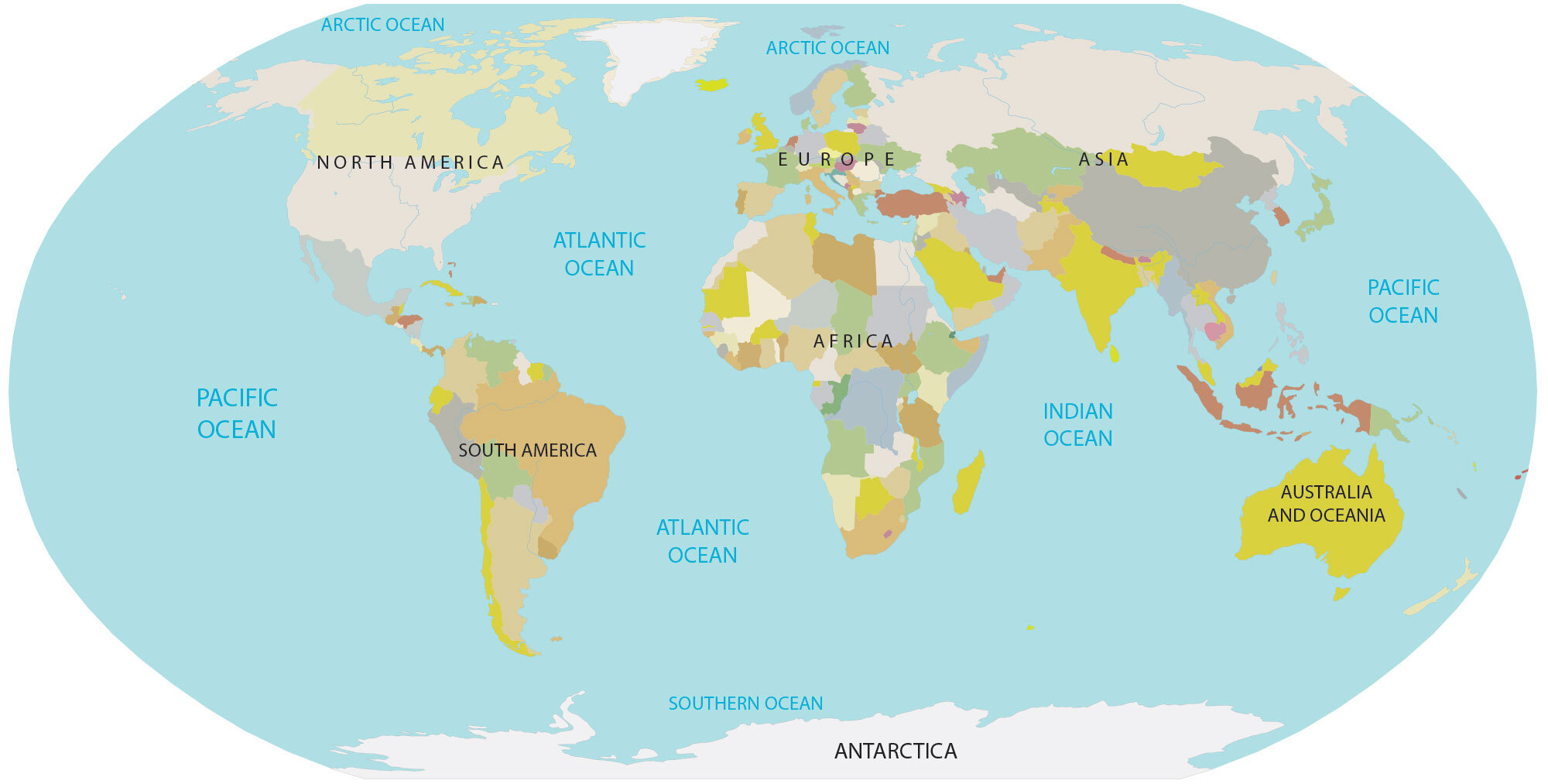
    World Map with Seas – Oceans Map of the World [PDF] - Printable World Maps

    When considering a patio enclosure, it’s essential to understand the various factors that can impact the overall cost. Knowing these elements helps you budget effectively and make informed decisions. Each aspect plays a crucial role in determining the final investment you’ll need to make for creating your desired outdoor space.The selection of materials is one of the primary factors influencing patio enclosure costs.

    The choice between aluminum, vinyl, wood, or glass significantly affects the budget. Each material has its unique benefits and price points, ranging from affordability to high-end options. Additionally, quality variations within each material can lead to substantial differences in installation costs.

    Material Selection Impact on Budget

    Selecting the right material for your patio enclosure is pivotal in managing your costs. Here’s a look at various materials and how they align with different budgets:

    • Aluminum: A lightweight and durable option, aluminum is often the most cost-effective choice for homeowners seeking a long-lasting solution. Its resistance to rust and corrosion makes it ideal for different climates, with prices typically ranging from $15 to $30 per square foot.
    • Vinyl: Vinyl offers a low-maintenance alternative that’s available in various colors and styles. It usually costs between $20 and $40 per square foot. While it can be a bit pricier than aluminum, its durability and aesthetic appeal justify the investment for many.
    • Wood: Known for its natural beauty, wood can add warmth and charm to a patio enclosure. However, it requires regular maintenance to prevent deterioration, which may add to long-term costs. Expect to pay approximately $25 to $50 per square foot for quality wood options.
    • Glass: For those who want an unobstructed view and abundant natural light, glass is an excellent option. However, it is the most expensive material, with costs averaging between $50 and $100 per square foot, depending on thickness and type.

    The size and layout of your patio also have a significant impact on pricing. A larger patio enclosure requires more materials and labor, inevitably increasing costs. Additionally, complex layouts that include multiple angles, curves, or custom features will also drive up the price due to the extra design and labor involved in the installation.

    Impact of Size and Layout on Pricing

    Considering how size and layout affect your budget is crucial for effective planning. Here’s what to keep in mind:

    • Size: The total square footage directly correlates to material and labor costs. For example, a standard enclosure for an average-sized patio (about 200 square feet) may cost between $6,000 to $10,000, whereas a larger space of 400 square feet could range from $12,000 to $20,000 or more.
    • Layout Complexity: Straightforward designs typically incur lower installation costs compared to intricate layouts. Features such as built-in seating, custom roofing, or additional structural support may require skilled labor, thus increasing the overall expenditure.
    • Additional Features: Consider the addition of screens, insulation, or heating elements, which can enhance functionality but also contribute to higher costs. For example, integrating a heating system could add anywhere from $1,500 to $3,000 to your total investment.

    Understanding how material selection, size, and layout intricately weave together will empower you to create a patio enclosure that meets your needs while staying within budget.

    Comparing Different Types of Patio Enclosures

    When considering adding a patio enclosure, it’s essential to understand the various types available on the market. Each type comes with its unique features, costs, and advantages, making it important to evaluate which best fits your needs and budget. This guide will break down the primary types of patio enclosures, compare their costs, and highlight specific applications where each type shines.

    Types of Patio Enclosures

    There are several types of patio enclosures, each offering different designs, materials, and functionalities. Understanding these options will aid you in making an informed decision based on your requirements. Here’s a look at the most common types, along with their associated costs and pros and cons.

    • Screened Enclosures:
      Typically built with aluminum frames and mesh screening, screened enclosures provide protection from insects while allowing airflow.

      Cost: Generally ranges from $3,000 to $5,000.

      Pros: Affordable, good ventilation, unobstructed views. Cons: Limited protection from elements like wind and rain.

    • Glass Enclosures:
      These enclosures use tempered glass panels, providing a sleek look and enhanced weather protection.

      Cost: Usually falls between $10,000 and $20,000.

      Pros: Excellent insulation, durable, and aesthetically pleasing. Cons: Higher cost, potential for cleaning and maintenance issues.

    • Polycarbonate Enclosures:
      Made from durable, lightweight polycarbonate panels, these enclosures are highly resilient and provide good insulation.

      Cost: Typically ranges from $5,000 to $12,000.

      Pros: UV resistant, lightweight, and energy-efficient. Cons: Can scratch easily and may not offer the same clarity as glass.

    • Fabric Enclosures:
      Fabric enclosures are made with weather-resistant materials that can be set up and taken down easily, often used in temporary setups.

      Cost: Usually costs between $1,500 and $4,000.

      Pros: Cost-effective, easy to install, and portable. Cons: Less durable than other types, limited weather resistance.

    Cost-Effectiveness Based on Needs

    Different types of patio enclosures may better suit specific needs based on factors such as climate, intended use, and budget. For example, if you live in a region with mild weather and primarily want to keep insects out, a screened enclosure might be the most cost-effective choice. On the other hand, for those in harsher climates or looking for year-round usage, investing in a glass enclosure may provide better long-term value due to its insulation properties.In summary, choosing the right patio enclosure requires a careful consideration of your needs, budget, and the specific advantages and disadvantages each type offers.

    Prioritizing these factors will help you make the best choice for your outdoor space.

    Analyzing Installation Costs and Labor Expenses

    When considering a patio enclosure, understanding the installation costs and labor expenses is crucial for budgeting and planning. These costs can vary significantly based on various factors, including your location, the complexity of the design, and the materials chosen. By breaking down these expenses, you can gain a clearer picture of what to expect financially.The typical installation costs for patio enclosures can vary widely across different regions, influenced by local labor rates and material costs.

    For instance, in urban areas where demand is higher, you may find installation costs ranging from $10,000 to $25,000 for a standard enclosure. In contrast, rural areas might see lower costs, potentially starting around $7,000. Additionally, different types of enclosures—such as glass, screen, or vinyl—can have different price points due to their material properties and installation requirements.

    Factors Influencing Labor Expenses

    Labor expenses for patio enclosure installation can fluctuate based on the complexity of the project and the geographical location of your home. For example, projects that involve custom designs or require significant structural modifications will typically incur higher labor costs. Labor rates can also vary from one region to another, with some areas commanding prices between $50 to $150 per hour for skilled workers.

    Understanding these aspects can help you better estimate the labor costs involved. Here are several points to consider when calculating your labor expenses:

    • Complexity of Design: Intricate designs or custom features will require more time and expertise, leading to increased labor costs.
    • Local Market Rates: Research local contractors to get a sense of hourly rates in your area, which can help in budgeting accurately.
    • Contractor Experience: Hiring seasoned professionals may raise initial costs but can lead to better-quality work and fewer issues down the line.
    • Project Duration: Longer projects often translate to higher overall labor costs, so it’s essential to factor in time estimates from your contractor.

    Accurately estimating installation and labor costs before beginning your project can save you time and stress later. Here are some tips to help you with this process:

    • Get Multiple Quotes: Contact several contractors for estimates to ensure you’re getting a fair price based on competitive rates.
    • Break Down Costs: Request a detailed breakdown of the costs involved, including materials and labor, to understand where your money will be going.
    • Consider Seasonal Pricing: Be aware that costs can fluctuate based on the season; spring and summer may see higher demand and prices.
    • Account for Permits: Don’t forget to include any necessary permits or fees that may come with the installation process, as these can add up quickly.

    Understanding the full scope of installation and labor costs is essential to ensure your patio enclosure project stays within budget and meets your expectations.

    Knowing the factors that affect installation and labor expenses will empower you to make informed decisions and effectively manage your budget for your patio enclosure project.

    Evaluating DIY vs. Professional Installation for Patio Enclosures

    Map Of World And Oceans Us States Mapmap Of The World Oceans Labeled

    When considering a patio enclosure, one of the key decisions is whether to tackle the project yourself or hire a professional. Each option comes with its own set of advantages and challenges, and understanding these can help you make a more informed choice. The decision often hinges on cost, time, and personal capability, which we’ll explore in detail.

    Comparison of Costs for DIY Installation and Professional Services

    The potential savings of undertaking a DIY installation can be significant, especially if you already possess some of the necessary skills and tools. While hiring professionals can guarantee quality and efficiency, it can also come at a premium. Below is a breakdown of the cost differences:

    • DIY Installation: Typically saves on labor costs, which can account for 30% to 50% of the total project cost. Depending on the complexity of the enclosure, material costs can range from $1,000 to $5,000.
    • Professional Installation: Costs vary widely based on the company and project scope. On average, homeowners can expect to pay between $2,500 to $6,000 for installation, with labor comprising a significant part of that expense.

    Tools and Materials Needed for DIY Projects

    Should you choose the DIY route, having the right tools and materials is crucial for a successful patio enclosure installation. The following list Artikels the essentials that you will need:

    • Tools:
      • Drill and drill bits
      • Screwdriver set
      • Measuring tape
      • Level
      • Utility knife
      • Safety goggles and gloves
      • Stud finder
      • Hacksaw or miter saw
    • Materials:
      • Framing materials (wood or aluminum)
      • Enclosure panels (glass or polycarbonate)
      • Weatherproof sealant
      • Screws and connectors
      • Flooring options (if applicable)

    Challenges and Risks of DIY Installation

    While the allure of saving money can be tempting, DIY installations come with inherent challenges and risks. Understanding these can help you gauge whether you’re equipped for the task.

    • Complexity of Design: Some enclosures may require advanced carpentry or structural skills that could overwhelm an inexperienced individual.
    • Time Investment: DIY projects often take longer than anticipated, especially for those juggling other responsibilities. What might seem like a weekend task could stretch into weeks.
    • Potential for Errors: Mistakes during installation can lead to structural issues or water leaks, both of which may incur additional costs to fix.
    • Safety Risks: Working with heavy materials and power tools poses a risk for injury if proper safety measures are not adhered to.
    • Compliance with Codes: DIY installations must still comply with local building codes and regulations, which can vary significantly. Failing to adhere to these can lead to fines or required modifications.

    “Choosing between DIY and professional installation involves weighing potential savings against the value of expertise and time.”

    Budgeting for Long-Term Maintenance and Upkeep

    World Map With Oceans Labeled Mapmap Of World With Oceans

    Maintaining a patio enclosure is essential for ensuring its longevity and functionality over time. When planning your budget, it’s important to consider not just the initial installation costs but also the ongoing maintenance expenses that different types of enclosures might incur. This foresight can save you from unexpected costs down the road and help you keep your outdoor space in top-notch condition.The maintenance costs associated with patio enclosures can vary significantly depending on the type of materials used and the local climate conditions.

    For instance, aluminum enclosures typically require less upkeep than wooden ones, which may need regular staining or sealing to protect against moisture. Understanding these differences will help you allocate your budget more effectively. Additionally, harsher weather conditions can increase the maintenance frequency and costs, as they may lead to wear and tear that necessitates prompt attention.

    Ongoing Maintenance Costs for Different Enclosure Types

    Each type of patio enclosure comes with its own set of maintenance requirements, which can impact your long-term budgeting. Here’s a breakdown of typical ongoing costs for various materials:

    • Aluminum Enclosures: Generally low maintenance; occasional cleaning and inspection are sufficient. Expect annual costs around $100-$200 for cleaning supplies and repairs.
    • Vinyl Enclosures: Resistant to moisture and pests; minimal upkeep needed. Budget roughly $50-$150 per year for cleaning and minor repairs.
    • Wooden Enclosures: Requires regular treatment against rot and pests. Factoring in staining or painting every 1-3 years, you might spend $300-$500 annually on upkeep.
    • Screen Enclosures: Main maintenance involves replacing torn screens and cleaning. Estimated costs can range from $100-$300 yearly depending on usage and wear.

    Weather conditions can significantly influence how often maintenance tasks need to be carried out. Extreme temperatures, heavy rainfall, and high winds can accelerate wear and tear, leading to increased upkeep costs. For example, if your area experiences heavy snowfall, a wooden enclosure might be at risk of water damage from melting snow, thus requiring more frequent inspections and treatments.

    Regular Upkeep Checklist

    Establishing a regular maintenance routine is crucial for prolonging the life of your patio enclosure. Here’s a checklist of essential tasks to keep your space functioning well:

    • Inspect for damage: Check for cracks, rust, or rot at least twice a year.
    • Clean surfaces: Wash the enclosure’s surfaces to prevent dirt buildup and maintain appearance.
    • Check seals and caulking: Ensure seals are intact to prevent water leaks.
    • Inspect screens: Look for tears or holes in screens; replace as necessary.
    • Trim surrounding vegetation: Keep plants and trees trimmed to minimize debris and potential damage.
    • Winter preparation: If applicable, remove snow buildup and secure any loose parts before winter storms.

    By following these steps and understanding the associated costs, you can create a budget that not only accommodates the initial investment but also supports the long-term maintenance and enjoyment of your patio enclosure. Regular upkeep will help you avoid costly repairs and enhance the value of your outdoor living space.

    Exploring Financing Options for Patio Enclosure Projects

    When it comes to building a patio enclosure, understanding your financing options is crucial for homeowners. With the right financial planning, you can turn your dream outdoor space into a reality without undue financial stress. This section delves into various financing methods available to help you fund your patio enclosure project.

    Available Financing Options

    Homeowners have several financing options to consider when planning a patio enclosure. Each option comes with its own advantages and considerations, making it essential to choose one that aligns with your financial situation and project scope. Here are some popular financing routes:

    • Home Equity Loans: These loans allow you to borrow against the equity you’ve built in your home. Typically, home equity loans come with lower interest rates compared to personal loans. However, this method requires that you have sufficient equity in your property.
    • Personal Loans: Unsecured personal loans can be used for home improvement projects without any collateral. Though the interest rates are generally higher compared to secured loans, they offer quick funding options and flexible repayment terms.
    • Credit Cards: Using a credit card for financing can be convenient, especially if you have a card with an introductory 0% APR offer. However, it’s important to pay off the balance promptly to avoid high-interest charges.
    • Government Programs: Some local or state governments offer loans or grants for home improvements. Researching these programs could provide beneficial funding options, especially for energy-efficient upgrades.
    • Contractor Financing: Many contractors offer financing plans to spread out the cost of your project. These plans may include promotional interest rates or flexible payment terms, making them appealing for immediate project start.

    Applying for Home Improvement Loans

    Applying for a loan specifically for home improvements, such as a patio enclosure, often involves a straightforward process. Here are the essential steps you need to follow to secure financing:

    • Check Your Credit Score: Before applying, review your credit report and score. A higher score typically means better loan terms and lower interest rates.
    • Determine Your Budget: Calculate the total estimated cost of your patio enclosure project. This will help you know how much you need to borrow when applying for a loan.
    • Research Lenders: Look for lenders that specialize in home improvement loans, and compare their interest rates, fees, and terms.
    • Gather Documentation: Prepare necessary documents, including income verification, tax returns, and information about your existing debts, to support your application.
    • Submit Application: Once you’ve selected a lender, complete and submit your loan application. Be ready to answer any additional questions during the underwriting process.

    Understanding Repayment Plans and Interest Rates

    When financing your patio enclosure, it’s crucial to consider how the repayment plan and interest rate will affect your overall financial health. Different lenders may offer a variety of repayment terms, which can influence your monthly payments significantly. Here’s what to keep in mind:

    • Repayment Duration: Loans can range from short-term (3-5 years) to long-term (10-30 years). Shorter terms typically mean higher monthly payments but less interest paid over time.
    • Interest Rates: Rates vary depending on your credit score, loan type, and lender. Fixed rates provide predictable payments, while variable rates may start lower but can increase over time.
    • Monthly Payments: Calculate your estimated monthly payment based on your loan amount, interest rate, and repayment duration to ensure it fits into your budget.
    • Prepayment Penalties: Some loans may have penalties for paying off the loan early. Clarify these terms to avoid unexpected charges.

    Understanding your financing options and terms will empower you to make informed decisions about your patio enclosure project, ensuring it not only enhances your home but also fits your budget comfortably.

    Assessing the Value Added to Property Through Patio Enclosures

    Installing a patio enclosure is not only a functional home improvement but also a strategic investment that can significantly enhance property value. By providing additional living space sheltered from the elements, these enclosures attract potential buyers, making homes more appealing in a competitive market. The installation of a patio enclosure can elevate the overall value of a property in various ways.

    Firstly, it increases usable outdoor space, which is a highly sought-after feature for many homeowners. Additionally, the aesthetic appeal and modernization of the property can lead to higher appraisals. According to recent studies, properties with patio enclosures can see an increase in value ranging from 5% to 15%, depending on the design, materials used, and location.

    Case Studies of Value Appreciation

    Several case studies showcase the positive impact patio enclosures have had on property values. One notable example is a suburban home in California that added a high-quality glass patio enclosure. Initially purchased for $400,000, the home saw a 10% increase in appraised value after the enclosure was installed, bringing its worth to approximately $440,000. This increase not only covered the installation costs but also enhanced the home’s marketability.Another compelling case is a property in Florida, where homeowners opted for a screened enclosure to protect against insects while enjoying their outdoor space.

    The investment of $15,000 in this feature resulted in a 12% increase in property value, demonstrating a remarkable return on investment. Real estate agents noted that the enclosure was a major selling point, leading to a quicker sale compared to similar homes in the area lacking such features.Evaluating the added value of a patio enclosure involves several key factors. First, consider the quality of materials and craftsmanship, as these aspects significantly influence both short-term and long-term value.

    Additionally, take into account the size of the enclosure and how well it integrates with the existing architecture of the home. Properly assessing these elements can provide insight into the potential increase in property value when considering future sales.

    “A well-designed patio enclosure not only enhances the aesthetic appeal of a home but also serves as a functional extension of living space, attracting potential buyers and increasing overall property value.”

    Reviewing Customer Testimonials and Experiences

    Homeowners often share invaluable insights into their experiences with patio enclosures, highlighting both the merits and drawbacks of their investments. By examining these testimonials, potential buyers can gain a better understanding of what to expect in terms of cost, functionality, and overall satisfaction. This section delves into a variety of customer experiences, revealing common themes that resonate with many who have embarked on similar projects.

    Common Concerns and Praises from Customers

    When homeowners reflect on their patio enclosure installations, their testimonials often touch on several key aspects, particularly regarding costs. Below are notable themes extracted from their feedback.

    Understanding the financial implications of a patio enclosure is crucial. Customers frequently mention the initial investment, ongoing maintenance, and the impact on property value. Here are some of the common praises and concerns:

    “The money spent on my patio enclosure was well worth it. It has added significant value to my home.”

    • Value Addition: Many homeowners emphasize that their patio enclosures have not only enhanced their outdoor living space but have also increased their property’s market value.
    • Cost Transparency: A frequent point of praise is the clear breakdown of costs provided by contractors, enabling better budgeting and avoiding surprises.
    • Quality of Materials: Satisfied customers often cite the durability and aesthetics of the materials used, which justify the costs involved.

    Negative Experiences and Financial Considerations

    While numerous testimonials celebrate patio enclosures, it’s essential to address the frustrations some customers have encountered, particularly related to costs and service.

    Homeowners do express concerns that warrant attention. These negative experiences often stem from unexpected costs or issues with installation. Below are some of the more common grievances:

    “I was shocked by the additional costs that cropped up during the installation process.”

    • Unexpected Costs: Some homeowners report being blindsided by extra charges for modifications or unforeseen issues during installation, indicating a need for more comprehensive initial assessments.
    • Long Wait Times: Customers have expressed dissatisfaction with extended timelines for completion, sometimes leading to additional living inconveniences.
    • Customer Service Challenges: A handful mentioned difficulties in communication with contractors, which exacerbated their frustrations regarding the project timeline and costs.

    In summary, customer testimonials present a balanced perspective on patio enclosures, reflecting a range of experiences. Positive feedback often highlights the value and satisfaction derived from well-executed projects, while negative comments underscore the importance of transparency and communication in managing costs. By considering these testimonials, prospective buyers can make more informed decisions.

    Understanding Regional Variations in Patio Enclosure Costs

    World Ocean Map | Mappr

    The cost of patio enclosures can greatly vary based on geographic location, influenced by a multitude of factors. Understanding these regional variations is essential for homeowners planning to invest in a patio enclosure, as it not only helps in budgeting but also in making informed decisions regarding materials and design.The differences in patio enclosure costs across various regions can be attributed to several key factors.

    These include local labor rates, the availability of materials, regional climate conditions, and the demand for outdoor living spaces. For example, regions with a higher cost of living may see increased labor costs, while areas that are known for certain materials may have more competitive pricing due to local suppliers. Climate also plays a role; areas with harsher weather conditions may require more durable and thus more expensive construction methods and materials to withstand the elements.

    Regional Cost Comparisons

    To provide a clearer picture of how patio enclosure costs can differ across the country, here are some examples of cost ranges from various regions. This information is based on recent data gathered from home improvement sources and regional contractors.

    • Northwest Region (e.g., Seattle, WA): Patio enclosure costs typically range from $10,000 to $25,000. The high costs can be attributed to labor rates and a strong demand for outdoor living spaces.
    • Southwest Region (e.g., Phoenix, AZ): Expect to pay between $8,000 and $20,000. The availability of materials like aluminum and glass helps keep costs relatively lower.
    • Midwest Region (e.g., Chicago, IL): Prices often range from $6,000 to $15,000, affected by local labor costs and seasonal demand fluctuations.
    • Northeast Region (e.g., New York City, NY): Here, costs can run from $12,000 to $30,000, driven largely by labor expenses and stricter building codes.
    • Southeast Region (e.g., Miami, FL): Homeowners can expect to spend between $7,500 and $18,000. The warm climate allows for a variety of design options without the need for extreme weather-proofing.

    Each of these regions exemplifies how local economic conditions, climate, and material availability contribute to the overall cost of patio enclosures. Understanding these variations is crucial for homeowners to ensure they are getting a fair price and value for their investment.

    Planning for Permits and Zoning Requirements

    Illustrated Map Of The World For Kids Childrens World Map Kids ...

    When considering a patio enclosure, understanding the necessary permits and zoning regulations is essential for managing both costs and compliance. These regulations vary widely by location and can significantly impact your overall project timeline and budget. Familiarizing yourself with the required permits can prevent potential delays and unexpected expenses, ensuring a smoother construction process.Zoning laws dictate how properties can be used and may restrict certain types of structures based on your area.

    Before starting your project, it’s vital to research local regulations and permits which could include building permits, zoning permits, and possibly homeowner association approval. These elements are crucial as they can affect both the design and cost of your enclosure.

    Necessary Permits and Zoning Regulations

    Understanding the required permits and zoning regulations before constructing a patio enclosure can save time and resources. Here are the common permits you may need:

    • Building Permit: This is often required for any structural changes to a property. It ensures that the enclosure meets safety and building codes.
    • Zoning Permit: This permit confirms that the proposed structure complies with local zoning laws regarding land use, height restrictions, and property lines.
    • Homeowner Association Approval: If you live in a community governed by a homeowner association (HOA), their approval may be necessary, especially if there are specific aesthetic guidelines.

    Obtaining these permits can be a structured yet detailed process. The steps typically include submitting plans for your project, paying a fee, and potentially undergoing inspections. The specifics can vary based on your location.

    “Navigating the permit application process is essential to avoid delays and compliance issues.”

    Navigating the Permit Application Process

    The permit application process can seem daunting, but breaking it down into manageable steps can simplify the experience. Understanding what to expect can make the journey smoother. Here’s a guide to help you through:

    1. Research Local Regulations

    Start by checking with your local municipality or building department. They can provide information on what permits are required for your specific project.

    2. Gather Required Documentation

    This may include architectural drawings, site plans, and any other documentation that illustrates your project.

    3. Submit Your Application

    Complete the necessary forms and pay any application fees. Make sure to double-check that all information is accurate and complete to avoid delays.

    4. Await Approval and Inspections

    Once submitted, your application will be reviewed. Depending on your area, inspections may be required at various stages of construction.

    5. Maintain Communication with Authorities

    If there are any questions or additional requirements, staying in contact with your local officials can help resolve issues quickly.

    Potential Costs Associated with Obtaining Permits

    The costs associated with obtaining permits can vary widely based on your location and the complexity of your project. It’s essential to factor these costs into your overall budget. Here are some common expenses you might encounter:

    • Application Fees: Fees for building and zoning permits can range from $50 to several hundred dollars, depending on your locality.
    • Inspection Fees: Many jurisdictions charge for inspections during the construction process, which can be an additional cost.
    • Consultation Costs: If you need to hire a contractor or professional to assist with the permitting process, consider their fees as part of your budget.

    By anticipating these costs and understanding the permit process, you can better prepare for the financial aspects of your patio enclosure project. This proactive approach will help ensure that your vision is realized without significant setbacks or surprises.

  • Patio contractors enhancing outdoor living spaces

    Patio contractors play a crucial role in transforming outdoor areas into inviting spaces for relaxation and entertainment. With their expertise, they not only improve the aesthetic appeal of a home but also increase its overall value. Imagine sipping coffee on a beautifully designed patio, surrounded by greenery, all thanks to skilled professionals who understand your vision.

    These contractors offer a variety of services, from custom designs to prefabricated options, ensuring that every homeowner can find the perfect fit for their needs. As you explore the world of patio construction, you’ll discover the materials, trends, and design processes that make these outdoor projects both exciting and rewarding.

    The Role of Patio Contractors in Home Improvement

    Patio contractors play a pivotal role in enhancing outdoor living spaces, transforming backyards into personal oases. These professionals specialize in designing and constructing patios that reflect the homeowner’s style while maximizing the functionality of outdoor areas. With their expertise, patio contractors create environments that encourage relaxation, entertainment, and enjoyment of nature, making homes more inviting and enjoyable.The contribution of patio contractors extends beyond mere aesthetics; they significantly increase the value of a home.

    When homeowners invest in quality patio construction, they not only improve their living space but also enhance the overall appeal of their property. A well-designed patio can serve as a focal point during home showings, attracting potential buyers and potentially increasing the sale price. According to a report from the National Association of Realtors, outdoor improvements, including patios, can yield an average return on investment of over 60%.

    Successful Patio Projects Completed by Contractors

    Numerous successful patio projects showcase the talents of patio contractors, each illustrating the potential of outdoor spaces. These projects vary widely, incorporating different materials, designs, and functional elements. One prominent example is the installation of a multi-level stone patio, which not only provided additional seating areas but also integrated seamlessly with the surrounding landscape. This project featured a blend of pavers and natural stone, resulting in a sophisticated look that complemented the home’s exterior.

    The inclusion of built-in planters enhanced the design, allowing for greenery that added a touch of nature.Another noteworthy project involved a custom wooden deck with a nearby fire pit area, crafted to create an inviting space for gatherings. The contractor worked with the homeowners to ensure the design reflected their vision while optimizing the layout for social activities. The use of durable materials ensured longevity, making it a worthwhile investment for outdoor entertainment.Patio contractors also often include functional features like outdoor kitchens and lighting.

    For instance, a project highlighted the installation of an outdoor kitchen equipped with a grill, sink, and countertop, making it perfect for summer barbecues. Coupled with strategically placed lighting, this patio became a cozy retreat that was usable even after sunset.These examples underscore the versatility and skill of patio contractors, who play an essential role in transforming outdoor spaces into functional and aesthetically pleasing environments that enhance the overall value and enjoyment of a home.

    Key Services Offered by Patio Contractors

    Patio contractors provide a variety of essential services that cater to homeowners looking to enhance their outdoor spaces. From design to installation, these professionals offer expertise that ensures the functionality and aesthetics of patio areas align with client needs and preferences.One of the main aspects of what patio contractors do is the creation of outdoor living spaces. This includes everything from the design and installation of patios to the integration of additional features like fire pits, outdoor kitchens, and seating areas.

    They work closely with clients to choose the best design that complements the architecture of the home and suits the client’s lifestyle.

    Custom Designs and Prefabricated Options

    When it comes to patios, clients often have the option to choose between custom designs and prefabricated solutions. Custom designs are tailored specifically to the homeowner’s preferences, taking into account the unique dimensions of the space, the desired layout, and the materials preferred. This allows for greater creativity and personalization, resulting in a unique outdoor area.On the other hand, prefabricated options offer a more streamlined approach with predetermined designs and materials.

    These solutions can be quicker to install and can often be more cost-effective, as they use standard sizes and shapes. However, they may lack the personalized touch that custom designs provide. Homeowners should weigh their preferences against their budget and timeline when deciding between these two options.

    Common Materials Used in Patio Construction

    Selecting the right materials is crucial for ensuring durability and aesthetic appeal in patio construction. Various materials are used, each offering unique benefits. Below is a list of common materials that patio contractors typically work with:

    • Concrete: A versatile material that can be poured and molded into various shapes. It is durable, low-maintenance, and can be stamped or stained for aesthetic variation.
    • Pavers: Made from brick or stone, pavers come in various colors and patterns, allowing for unique designs. They are highly durable and can be easily replaced if damaged.
    • Natural Stone: Materials like slate, granite, or limestone provide a natural look and exceptional durability. They can be more expensive but add significant value to outdoor spaces.
    • Wood: Often used for deck-style patios, wood can create a warm, inviting atmosphere. However, it requires more maintenance to prevent decay and insect damage.
    • Composite Materials: Made from a blend of wood fibers and plastic, composites offer the appearance of wood without the maintenance issues. They are resistant to fading, splintering, and insects.

    Understanding these materials helps homeowners make informed decisions based on their style preferences, budget, and required maintenance levels. Each material offers different advantages that can significantly enhance the overall look and functionality of the outdoor space.

    Choosing the right materials and design can transform an ordinary backyard into a personal oasis that complements your lifestyle.

    How to Choose the Right Patio Contractor for Your Project

    Patio contractors

    Selecting the right patio contractor can significantly impact the success of your project. A skilled contractor not only brings expertise but also helps ensure that the final result aligns with your vision. It’s essential to consider several key factors to make an informed decision.

    Key Factors to Consider When Selecting a Patio Contractor

    When choosing a patio contractor, a few critical aspects can guide your decision-making process. Understanding these elements will help you identify the best fit for your project needs.

    • Experience: Look for contractors with a solid track record in patio construction. Experienced contractors are more likely to understand the nuances of the job and can handle unexpected challenges effectively.
    • Specialization: Some contractors specialize in specific types of patios, such as stone, concrete, or wood. Ensure the contractor’s expertise aligns with your preferred materials and design.
    • Communication: A good contractor should maintain open lines of communication, providing regular updates and being responsive to your queries. This helps build trust and ensures your vision is understood.

    Importance of Checking References and Past Work

    One of the best ways to gauge the quality of a contractor’s work is by checking references and reviewing their past projects. This step is crucial for ensuring that you hire a reputable professional.

    • Request References: Ask for a list of past clients and reach out to them. Inquire about their experiences, the quality of work, and whether they would recommend the contractor.
    • Portfolio Review: A reliable contractor should have a portfolio showcasing their work. Look for projects that resemble your vision to better understand their capabilities.
    • Online Reviews: Check online platforms for customer reviews and ratings. Websites like Yelp or Google Reviews can provide insight into the contractor’s reputation and client satisfaction.

    Role of Licensing and Insurance in Contractor Selection

    Licensing and insurance are crucial components of selecting a patio contractor. These factors help protect you and your investment throughout the project.

    • Licensing: Ensure that the contractor holds the necessary licenses required by your state or local government. This indicates that they have met specific standards and regulations, ensuring a level of professionalism.
    • Insurance: A reputable contractor should carry liability insurance and workers’ compensation. This protects you from potential liabilities in case of accidents or damages during the project.
    • Verification: Don’t hesitate to verify the contractor’s licensing and insurance status. You can typically check this information through your state’s licensing board or regulatory agency.

    Choosing the right patio contractor is essential for achieving your desired outdoor space and ensuring a smooth construction process.

    The Design Process

    The design process is a vital stage in creating a stunning patio that not only meets your functional needs but also reflects your personal style. Collaborating with your patio contractor effectively can lead to a seamless experience that results in a beautiful outdoor space. Understanding the steps involved can help you navigate this journey with confidence.The design process typically begins with an initial consultation where ideas are exchanged and visions are discussed.

    From there, the collaboration unfolds through a series of well-defined steps that ensure every aspect of your patio is thoughtfully considered.

    Initial Consultation and Concept Development

    During the initial consultation, you and your contractor will discuss your ideas, preferences, and the overall purpose of the patio. Sharing images, sketches, or examples of patios you admire can be a great way to communicate your style. The contractor will then develop a preliminary design concept based on your input, taking into account your budget, space, and any local regulations that may apply.

    Design Refinement and Planning

    Once a concept is established, the design refinement stage begins. This involves tweaking the layout, materials, and any additional features you wish to incorporate, such as lighting, seating, or landscaping.

    Effective Communication

    Regular check-ins with your contractor are crucial during this stage. Make sure to express any concerns or adjustments you’d like to see.

    Utilize design software or sketches provided by the contractor to visualize changes effectively.

    Incorporating Personal Style

    Incorporating your personal style into the patio design is an essential part of making the space uniquely yours. Here are ways to ensure that your design resonates with your aesthetic:

    Color Palettes and Materials

    Choose a color scheme that complements your home and the surrounding environment.

    Consider materials that reflect your style, whether that’s natural stone, wood, or modern composites.

    Functional Features

    Decide on features that enhance your lifestyle, such as outdoor kitchens, fire pits, or water elements.

    Think about furniture styles that align with your taste—whether it’s rustic, contemporary, or a mix of both.

    Landscaping Elements

    Incorporating plants and flowers that resonate with your personal preferences can add character to the patio.

    Consider seasonal flowers or evergreens for year-round appeal.

    “Designing a patio is not just about aesthetics; it’s about creating a space that enhances your lifestyle and reflects who you are.”

    By actively participating in each step and clearly communicating your vision, you can collaborate effectively with your patio contractor to create an outdoor space that not only serves its purpose but also tells your story through design.

    Understanding the Costs Associated with Patio Construction

    Constructing a patio can significantly enhance your outdoor living space, but understanding the costs involved is crucial for proper planning. Various factors contribute to the overall expense of patio construction, including materials, labor, and design complexity. This section will delve into these influencing factors, provide budgeting tips, and offer cost breakdowns for different patio designs to help homeowners make informed decisions.

    Factors Influencing Patio Construction Costs

    Several key factors can affect the costs associated with building a patio. Recognizing these will assist in creating a realistic budget for your project. The following points highlight the primary elements that influence pricing:

    • Material Selection: The choice of materials is one of the most significant cost drivers. Options like concrete, pavers, natural stone, or wood each have different price ranges. For instance, natural stone can be more expensive than concrete but offers a unique aesthetic.
    • Size and Design: Larger patios will naturally incur higher costs due to increased material and labor requirements. Additionally, complex designs involving curves or multi-levels can elevate expenses.
    • Site Preparation: The condition of the land where the patio will be built can affect costs. If the area requires extensive leveling or clearing, additional labor and equipment will be needed, impacting the overall budget.
    • Labor Costs: Hiring experienced contractors might lead to better quality work, but their services come at a premium. Prices can vary significantly by region and contractor reputation.
    • Permits and Regulations: Depending on local zoning laws, obtaining necessary permits can add to your costs. These regulations ensure that your construction complies with safety and aesthetic standards.

    Budgeting Tips for Homeowners

    Planning a budget for a patio project involves careful consideration of various factors. To ensure your project remains within financial limits, the following budgeting tips can be beneficial:

    • Set a Clear Budget: Determine how much you are willing to spend before starting. This will guide your material choices and design decisions.
    • Research Material Costs: Investigate different materials and their prices. Consider visiting local suppliers or home improvement stores to get accurate estimates.
    • Get Multiple Quotes: Contact several contractors to obtain quotes. This will help you understand the market rates and choose a contractor that fits your budget.
    • Include a Contingency Fund: Unexpected expenses can arise during construction. Set aside at least 10-20% of your total budget to cover unforeseen issues.
    • Consider Seasonal Discounts: Many contractors offer discounts during off-peak seasons. Scheduling your project during these times can lead to savings.

    Cost Breakdowns for Different Patio Designs

    Understanding the typical costs associated with various patio designs will help in making an informed decision. Here’s a breakdown of estimated costs for some common patio types:

    Patio Type Estimated Cost per Sq. Ft. Average Size (200 sq. ft.)
    Concrete Patio $8 – $15 $1,600 – $3,000
    Paver Patio $10 – $25 $2,000 – $5,000
    Natural Stone Patio $15 – $30 $3,000 – $6,000
    Decking or Wooden Patio $15 – $40 $3,000 – $8,000

    “When planning your patio project, understanding the cost structure helps in making informed choices that fit your budget and design preferences.”

    Trends in Patio Design and Construction

    The landscape of patio design is swiftly evolving, with contractors embracing innovative styles and sustainable practices. Today’s outdoor spaces are not just extensions of homes but are thoughtfully designed environments that enhance lifestyle and aesthetic appeal. As homeowners increasingly prioritize their outdoor living areas, understanding current trends is essential for contractors aiming to meet client expectations.One significant trend in patio design is the integration of multifunctional spaces.

    Homeowners are looking for patios that serve multiple purposes, from dining and entertaining to relaxation and gardening. This shift has led contractors to focus on creating versatile designs that can accommodate various activities. Incorporating furniture that can be easily rearranged or adding built-in features like fire pits and outdoor kitchens is becoming increasingly popular.

    Current Trends in Patio Design

    Embracing the latest trends in patio design allows contractors to offer clients cutting-edge solutions that enhance outdoor living. These trends include:

    • Open Layouts: Many homeowners are opting for open-plan patios that blend seamlessly with the surrounding landscape, providing an airy and spacious feel.
    • Natural Materials: There is a growing preference for materials like stone, wood, and concrete, which complement natural settings and offer durability.
    • Integrated Landscaping: Combining patios with landscaping elements such as gardens, water features, and pathways creates a harmonious outdoor environment.
    • Smart Technology: Homeowners are incorporating smart lighting, sound systems, and heating elements to enhance usability and comfort.

    Sustainable Materials and Eco-Friendly Practices

    Sustainability is at the forefront of modern patio construction, with contractors shifting towards eco-friendly materials and practices to appeal to environmentally conscious clients. Using sustainable materials not only reduces the environmental impact but also enhances the longevity and appeal of patio spaces. A variety of sustainable materials are now being favored, including:

    • Recycled Pavers: Made from repurposed materials, these pavers reduce waste and come in numerous styles and colors.
    • Bamboo: A rapidly renewable resource, bamboo is being used for decking and furniture, combining strength with aesthetic appeal.
    • Permeable Concrete: This type of concrete allows rainwater to seep through, reducing runoff and promoting groundwater recharge.

    Contractors are also adopting eco-friendly practices such as:

    • Water Conservation: Implementing rainwater harvesting systems and drought-resistant landscaping helps in conserving water.
    • Energy Efficiency: Using solar-powered lighting and appliances minimizes energy consumption in outdoor spaces.

    Popular Outdoor Features that Enhance Patio Spaces

    To create inviting and functional patios, various outdoor features are becoming increasingly popular among homeowners. These additions not only enhance the usability of the space but also add significant aesthetic value.The following features are trending in patio designs:

    • Outdoor Kitchens: Equipped with grills, sinks, and refrigerators, these kitchens transform patios into culinary hubs.
    • Fire Pits: A staple for cozy gatherings, fire pits add warmth and ambiance, making patios usable year-round.
    • Water Features: Fountains or small ponds introduce soothing sounds and create a tranquil atmosphere.
    • Shade Structures: Pergolas and awnings provide relief from the sun, allowing for comfortable use during hot weather.

    Patio contractors who stay updated with these trends are better positioned to meet the evolving needs of their clients while creating beautiful, functional, and sustainable outdoor spaces.

    Maintenance and Care Tips from Patio Contractors

    Maintaining your patio is essential to prolong its lifespan and keep it looking beautiful. Regular care not only enhances its aesthetic appeal but also ensures safety and functionality. This guide provides practical advice from patio contractors on how to effectively care for your patio throughout the seasons.

    Essential Maintenance Tips

    Proper maintenance can significantly extend the life of your patio. Here are some key practices to incorporate into your routine:

    • Regular Cleaning: Sweep away debris, leaves, and dirt to prevent staining and mold growth. Using a pressure washer periodically can also help restore the surface.
    • Sealant Application: Applying a high-quality sealant every few years protects against weathering and staining. This is particularly important for stone and concrete patios.
    • Inspect for Damage: Regularly check for cracks, chips, or loose bricks. Addressing minor issues immediately can prevent costly repairs later.

    Common Issues and Solutions

    Homeowners often face several common issues with patios. Understanding these problems and their solutions can save time and money.

    • Weed Growth: Weeds can undermine the integrity of your patio. Prevent them by applying a weed barrier fabric before installation, and routinely pull out any that surface.
    • Drainage Problems: Poor drainage can lead to water pooling, which causes damage over time. Ensure that your patio has adequate slope and consider installing drains if necessary.
    • Staining: Spills and weather can lead to unsightly stains. Immediate cleaning with appropriate solutions based on the material can often remove them.

    Seasonal Care Checklist

    Seasonal changes require different maintenance approaches. Here’s a checklist to keep your patio in top shape year-round:

    • Spring: Clean the surface thoroughly, apply sealant if necessary, and check for winter damage.
    • Summer: Regularly clean to prevent algae and mold. Keep furniture and accessories in good condition.
    • Fall: Clear leaves and debris, prepare for winter by ensuring proper drainage, and check for any necessary repairs.
    • Winter: Keep the surface free from ice and snow. Use a plastic shovel to prevent scratching surfaces.

    The Benefits of Hiring Local Patio Contractors

    Choosing to hire local patio contractors can significantly enhance your project experience, both in terms of efficiency and quality. Local contractors have an intimate understanding of the area’s building codes, climate considerations, and neighborhood aesthetics, which can streamline the construction process and ultimately yield a better result tailored to your needs.When you opt for local contractors, their knowledge of the region can greatly influence your design and material choices.

    This understanding helps ensure that your patio is not only functional but also harmonizes with the surrounding environment. Local contractors are typically familiar with the best practices for landscaping, drainage, and local weather conditions, which are crucial for the longevity and durability of your outdoor space.

    Impact of Local Knowledge on Design and Materials

    The expertise of local contractors extends to their ability to select materials that resonate with regional characteristics. They can recommend options that are not only durable but also aesthetically pleasing and suitable for the local climate. For instance, in areas with high humidity, using materials that resist mold and mildew is essential, while in drier regions, selecting stone or tile that withstands extreme temperatures can be beneficial.Here are some examples of local materials that enhance regional aesthetics:

    • Flagstone: Commonly found in many regions, flagstone provides a rustic look that blends well with natural landscapes. Its varying colors and textures can complement any garden or backyard style.
    • Red Clay Brick: In areas where red clay is abundant, this material not only offers a classic look but also ensures that patios remain cool in hot weather, making it an excellent choice for sunny climates.
    • Concrete Pavers: These are versatile and can mimic the look of natural stone while being produced locally. They can be designed in various patterns to create visually appealing outdoor spaces.
    • Wood from Local Timber: Using locally sourced wood, such as cedar or redwood, not only supports the local economy but also provides a natural aesthetic that complements outdoor living spaces.

    The choice of materials affects not just the appearance but also the performance and maintenance of your patio. Local contractors can suggest options that require less upkeep, allowing you more time to enjoy your space rather than worry about constant repairs. Furthermore, the use of local materials reduces transportation costs and environmental impact, making your project more sustainable.

    “The right local contractor not only enhances the beauty of your patio but also ensures it withstands the test of time in your specific climate.”